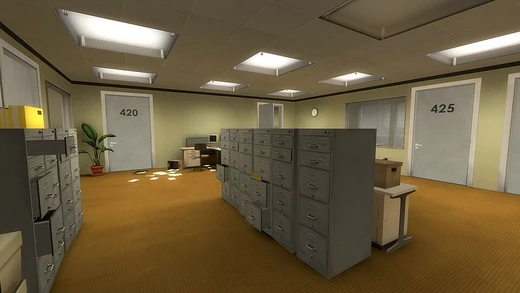
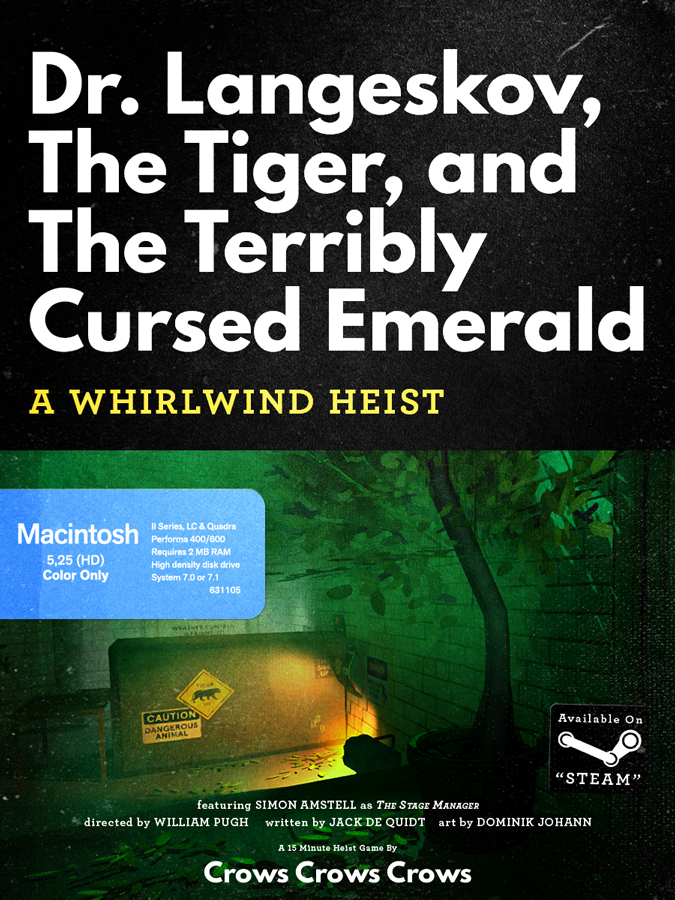
Dr. Langeskov, The Tiger, and The Terribly Cursed Emerald: A Whirlwind Heist
A free exploration game about helping behind the scenes of a heist.

Dominik Johann · CC BY-SA 4.0
Dr. Langeskov, The Tiger, and The Terribly Cursed Emerald: A Whirlwind Heist (commonly referred to as Dr. Langeskov) is an adventure video game from Crows Crows Crows, the studio founded by William Pugh, who is known for his earlier work on The Stanley Parable. The game was made available for free on Steam for Microsoft Windows and OS X on December 4, 2015. Instead of letting players take part in a story-driven heist, the game tricks them into assisting an unseen narrator from backstage before they can actually join the action.
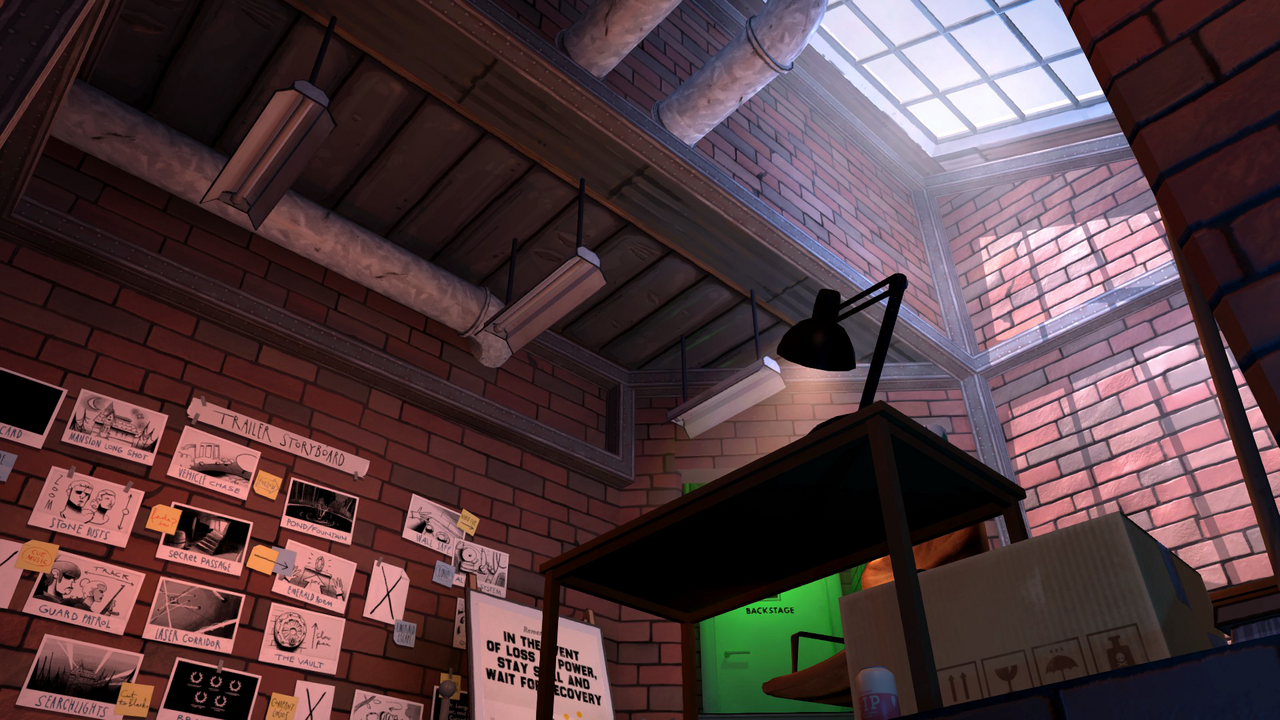
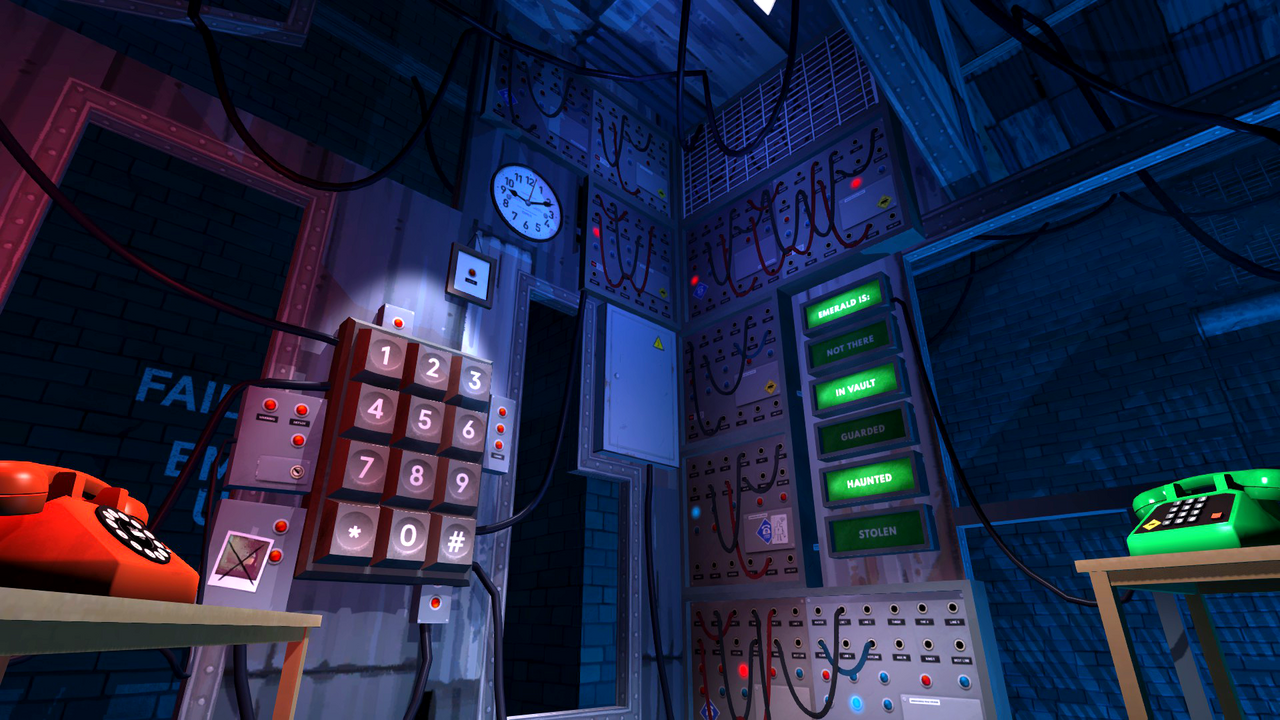
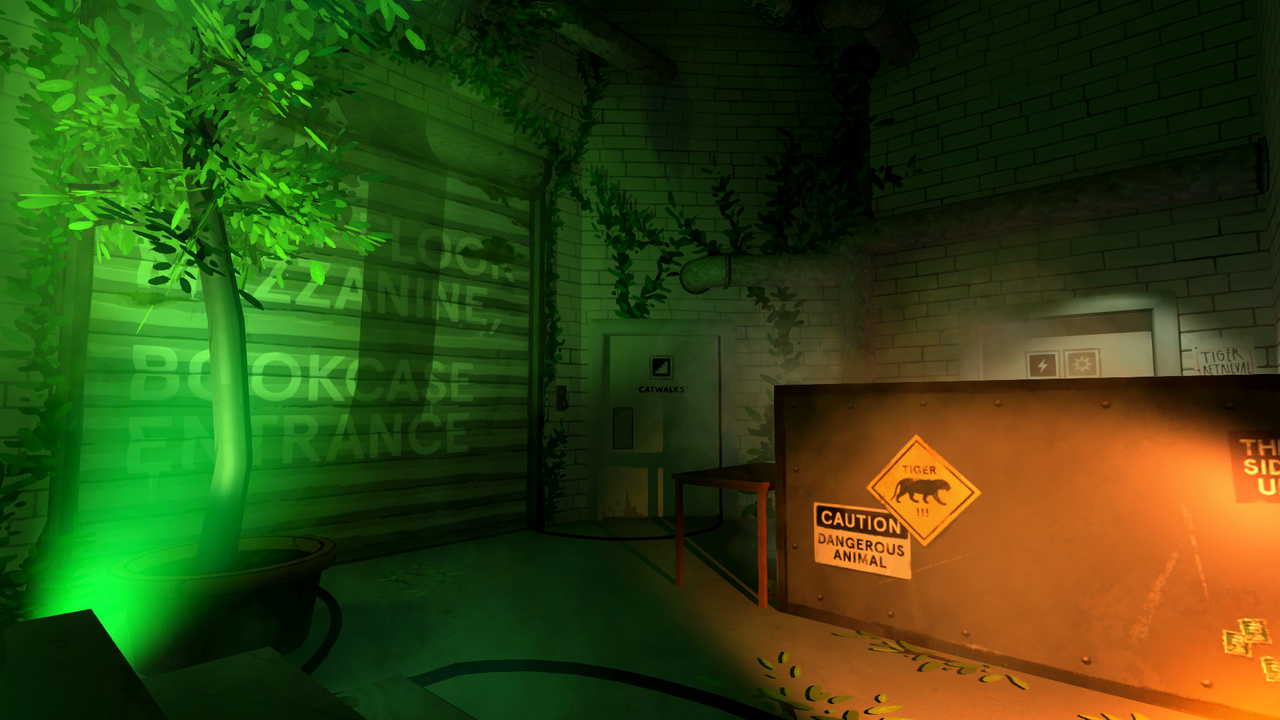
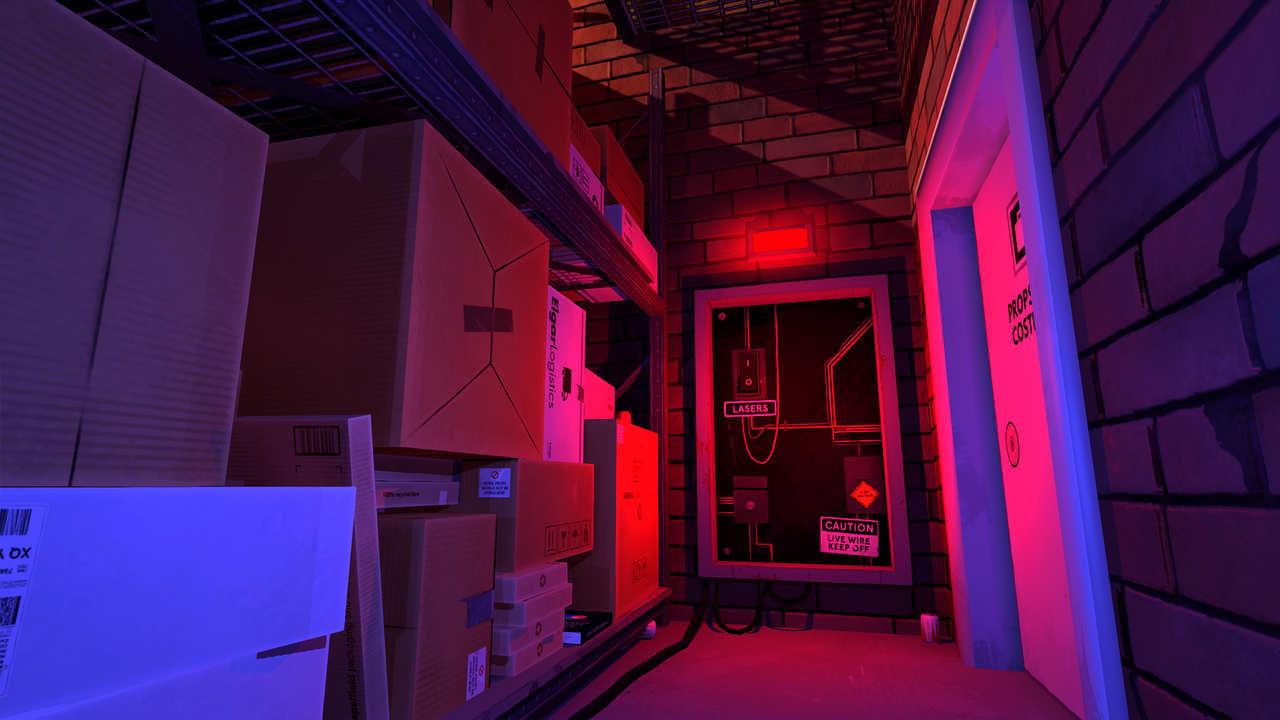
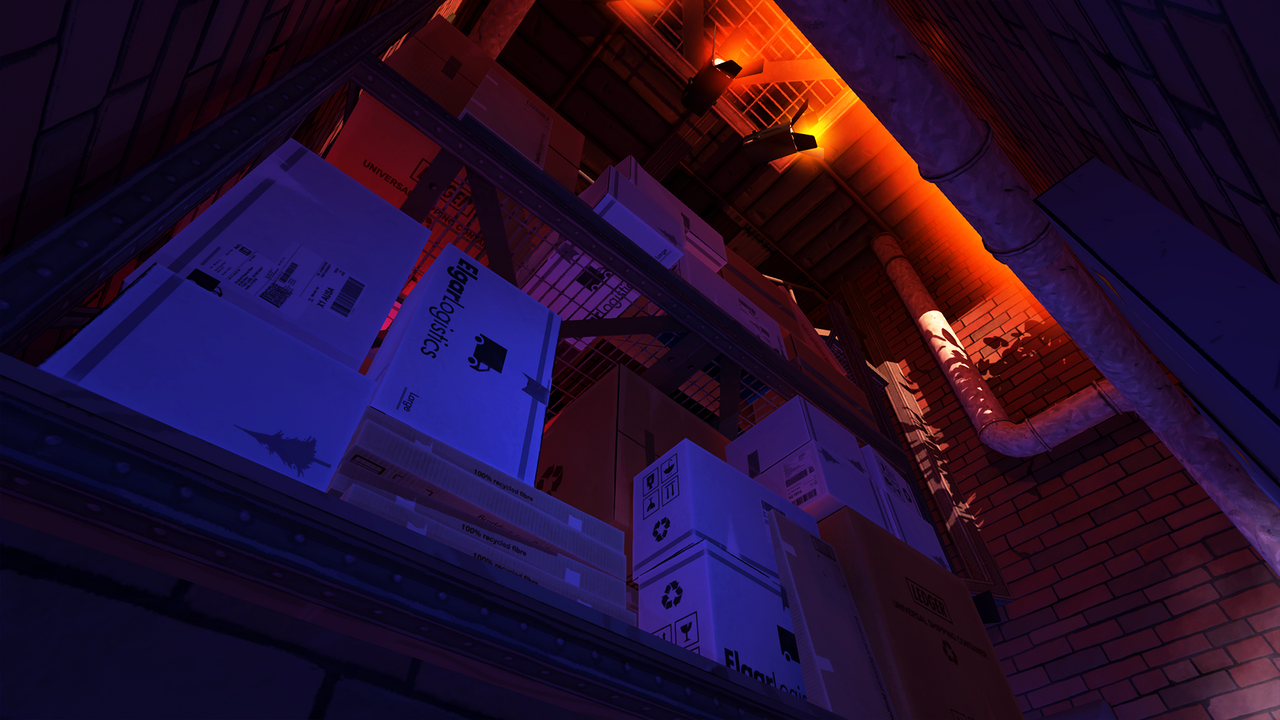
Gameplay is first-person exploration with limited interaction. Players can pick up objects like notes, coins, or cassette tapes, but there are no other major mechanics. The experience lasts roughly twenty minutes. At the outset, the game appears to be about a mansion heist involving a tiger and a cursed emerald, but it then glitches, dropping the player into a backstage area styled like a theater green room. A narrator, voiced by Simon Amstell, explains that another player is currently inside the game. Since two players cannot occupy the same game at once, and most of the staff are on strike, the narrator asks the player to help behind the scenes until the other player finishes. Tasks include operating an elevator when called or preparing the tiger’s cage. The player can choose to ignore instructions, prompting frantic reactions from the narrator, but these choices do not alter the overall story. After a series of small mishaps, the player helps the current player finish the game. The narrator then leads the player back to the start and lets them enter the game. While waiting in the dark, the player overhears the narrator speaking to a new player in the same situation they were in. That new player is guided to assist, but rushes through the procedures, accidentally releasing the tiger early. The unseen tiger attacks the player, and the game cuts abruptly to credits. On a second playthrough, players can find a cassette deck that plays tapes scattered around the game, performed by Justin Roiland.
Development was handled by Crows Crows Crows, an indie studio founded by William Pugh and Dominik Johann. The team also included writer Jack De Quidt, programmers Sean O'Dowd and Andrew Roper, and composer Grant Kirkhope. The studio teased the game in October 2015 without naming it publicly. Voice work came from Simon Amstell and Justin Roila
- developer
- Crows Crows Crows
- release_date
- December 4, 2015
- platforms
- Microsoft Windows, OS X
- genre
- Adventure, exploration
- length
- Roughly 20 minutes
- narrator
- Simon Amstell
- additional_voice
- Justin Roiland
Lore & Background
Dr. Langeskov is an exploration game played from the first-person perspective with limited interaction. Players can pick up objects like pieces of paper, coins, or cassette tapes, but there is no other major gameplay. The game is roughly 20 minutes in length. At the start, the player is led to believe they will participate in a heist involving an emerald and a tiger, but a glitch reveals they are backstage in a theater-like green room. A narrator, voiced by Simon Amstell, explains that another player is currently playing the game, and since two players cannot occupy the same game and most staff are on strike, the player-character must help behind the scenes until the other player finishes.
Reader's Guide
Dr. Langeskov is significant as a meta-commentary on game design and player expectations, developed by Crows Crows Crows, a studio founded by William Pugh of The Stanley Parable fame. The game was teased in October 2015 without a public name and released free on Steam. Its voice cast includes Simon Amstell and Justin Roiland, the latter of whom also worked with Pugh on the virtual reality game Accounting. Reception, as noted by Alec Meer of Rock, Paper, Shotgun, praised the game as charming and infectious, highlighting Amstell's performance and comparing the narrator to Wheatley from Portal 2. Meer saw the game as a playful, shortened sequel to The Stanley Parable, exploring themes of gatekeeping and the public's perception of game development. The game's legacy lies in its subversive structure and its reflection on the process of creating interactive experiences.
Did You Know?
- The game was released as a free download on Steam for Microsoft Windows and OS X on December 4, 2015.
- The narrator is voiced by Simon Amstell, and additional voice work was performed by Justin Roiland.
- Playing the game a second time allows the player to pick up a cassette deck to listen to tapes scattered around the game.
- The game was teased in October 2015 without a publicly announced name.
The Narrative Illusion and Its Recursive Payoff
Dr. Langeskov is built around a single, elegant misdirection. The title and setup lead the player to expect a story-driven heist involving a mansion, a cursed emerald, and a tiger. Instead, the game appears to crash, depositing the player-character into a backstage green room styled like a theater production. A narrator voiced by Simon Amstell explains that another player is already inside the experience, and because two players cannot occupy it simultaneously—and most of the production staff is on strike—the player-character is recruited to assist behind the scenes. The tasks are modest: operating an elevator on cue, preparing the tiger's enclosure. The narrator reacts with frantic pleading if the player hesitates, yet the overarching story remains unchanged regardless of choices. The true payoff arrives at the end: after the current player finishes, the narrator guides the player-character back to the starting point. While waiting in the dark, the player overhears the narrator now instructing a brand-new player to help them. That new player rushes through the procedures, accidentally releases the tiger prematurely, and the unseen beast attacks. The screen cuts to credits. The entire experience is a closed loop of service and betrayal, roughly twenty minutes long.
Exploration, Interaction, and the Second Playthrough
Mechanically, Dr. Langeskov is a first-person exploration experience with deliberately limited interaction. There are no combat systems, traditional puzzles, or open-ended objectives. The player can pick up scattered objects—pieces of paper bearing narrative fragments, coins, and cassette tapes—but otherwise the environment is largely passive. The game runs approximately twenty minutes from start to finish. What distinguishes a replay is the second playthrough, which unlocks a cassette deck. This device allows the player to listen to a collection of tapes performed by voice actor Justin Roiland, hidden in various locations around the game world. The design philosophy is one of gentle curiosity: the player is encouraged to look around, read, and collect, but never to solve or conquer. The narrator's reactions to the player's actions or inactions—such as begging desperately when a lever goes unpulled—add a layer of personality without altering the fixed narrative outcome. The result is a short, contemplative walk-through that prioritizes atmosphere and humor over mechanical depth.
The Crows Crows Crows Team and Production
Dr. Langeskov was developed by Crows Crows Crows, an indie studio co-founded by William Pugh—best known for his work on The Stanley Parable—and Dominik Johann. At the time of production, the team also included writer Jack De Quidt, programmers Sean O'Dowd and Andrew Roper, and composer Grant Kirkhope. The studio first teased the project in October 2015, though the game had not yet been publicly named. It launched on December 4, 2015, as a free download available on Steam for both Microsoft Windows and OS X. The voice cast featured Simon Amstell as the narrator and Justin Roiland performing the cassette tape content. Pugh's collaboration with Roiland continued beyond this title; the two later worked together on Accounting, Crows Crows Crows' second game, which centered on virtual reality elements. The decision to release the game at no cost, combined with its short runtime, positioned it as an accessible, low-commitment experience that nonetheless carried the creative fingerprints of a studio already recognized for narrative experimentation.
Critical Reception and Thematic Resonance
Alec Meer of Rock, Paper, Shotgun described the game as both charming and infectious, singling out Simon Amstell's narrator performance for high praise. He framed Dr. Langeskov as a shortened spiritual successor to The Stanley Parable, though one that leaned more toward playfulness than self-analysis—reading it less as a direct continuation and more as a response to the reception the earlier title had received. A key distinction Meer noted was the narrator's characterization: unlike the omniscient voice of The Stanley Parable, this narrator is unsound, confused, and as lost as the player, drawing a parallel to Wheatley in Portal 2. Meer also identified gatekeeping as a prominent thematic thread, acknowledging that some players might find the developers' approach to feel conceited. Despite that, he valued the questions the game provoked about how the general public perceives the creative process behind game design. The work's brevity and free availability made it a low-stakes entry point, yet its meta-commentary on authorship, audience, and the illusion of control gave it a punch well beyond its twenty-minute runtime.
Gallery
Frequently Asked Questions
What is Dr. Langeskov and who made it?
It's a short first-person exploration game built by Crows Crows Crows, the studio run by William Pugh, the creator behind The Stanley Parable. The title riffs on the classic three-act heist format, and the game shipped as a free Steam download in December 2015.
How long does a playthrough of Dr. Langeskov actually take?
The full experience wraps up in roughly twenty minutes. It plays as a single, mostly linear walkthrough with very few interactive choices rather than a branching story.
What's the real premise if I never get to do the heist?
Despite the heist-flavored title, the player is never cast as a robber. You're instead an unseen backstage helper, guiding an off-screen narrator through the logistics of pulling off the operation from behind the curtain.
Who voices the narrator in Dr. Langeskov?
British comedian Simon Amstell delivers the narration throughout the entire game. Because the player character never speaks, his performance carries nearly all of the humor and storytelling.
Is Dr. Langeskov free to play and on what platforms?
Yes, it was released at no cost on Steam for both Microsoft Windows and OS X on December 4, 2015. There is no premium version or paid expansion; the full experience is the free download.
More in Walking simulators 1-24
Spotted an error? Know more?
This is a living reference — every entry is fact-audited, and reader corrections feed straight into our audit queue. Suggest an edit · See this site's audit record